Top Features to Look for in a Gutter Installation Service
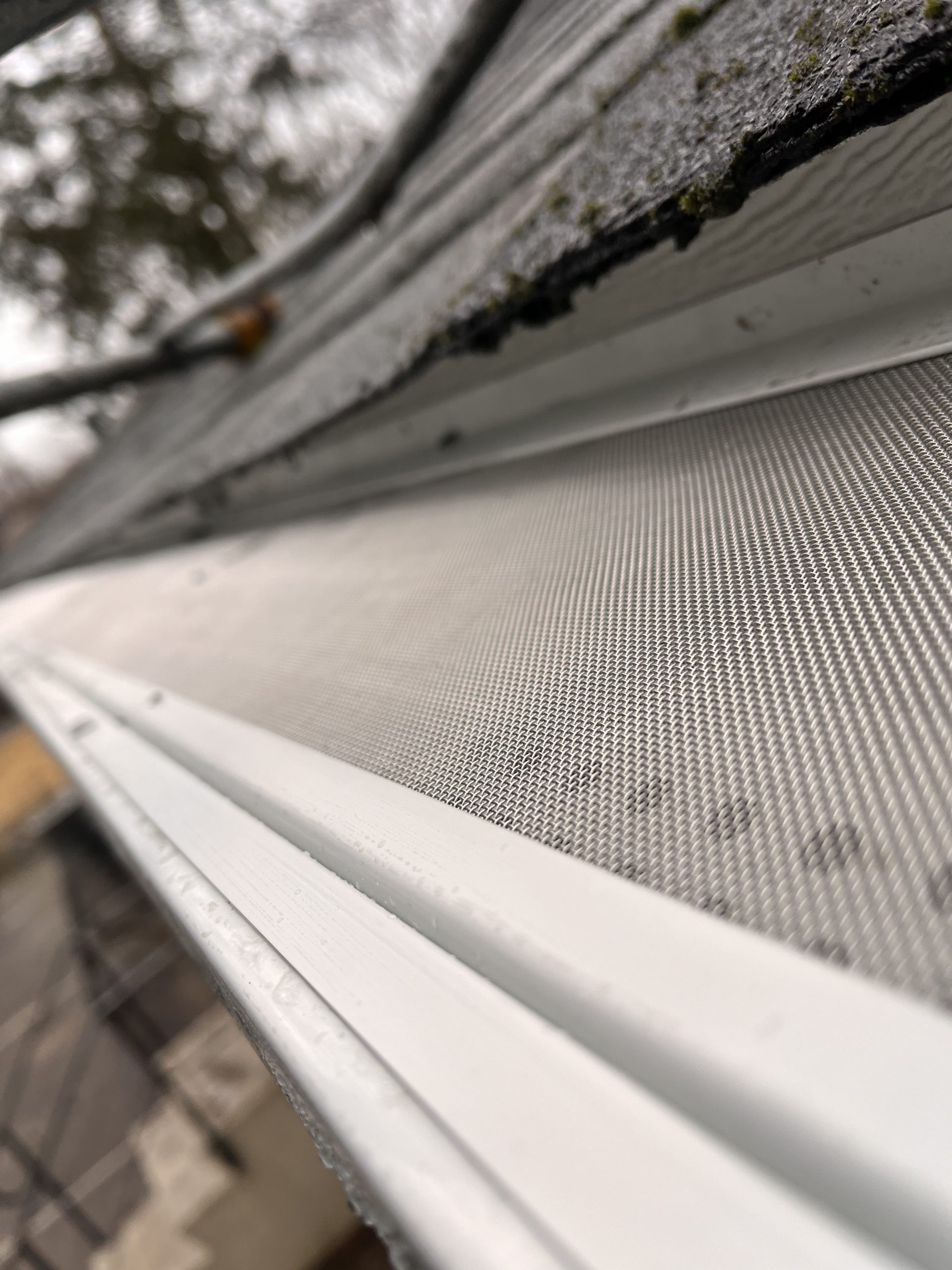
A gutter system does one job, but it does that job in a way that affects almost every part of a house. When gutters are installed well, they move water away from the roofline, siding, fascia, foundation, walkways, and landscaping with very little drama. When they are installed poorly, the signs show up fast. You see overflow at the corners, loose fasteners, streaks on the siding, puddling near the foundation, and in some cases water where it absolutely should not be, inside the soffits, behind trim, or in the basement.
That is why choosing a company for Gutter Installation deserves more scrutiny than many homeowners give it. Price matters, of course. So does speed. But those are not the features that determine whether the system will still perform after the first hard storm, the first winter freeze, or the fifth year of summer downpours. The best installation services separate themselves through material quality, design judgment, workmanship, communication, and follow-through.
If you are comparing contractors, these are the features that actually tell you whether you are hiring a crew that understands water management or one that is simply hanging metal.
A service that starts with drainage, not just gutters
One of the clearest signs of a strong gutter installer is how they talk about the house before they talk about the product. A weak sales pitch starts and ends with color choices, linear footage, and a quick price. A better one looks at roof valleys, pitch, fascia condition, splash patterns, downspout exits, low spots in the yard, and any signs that water has already been causing trouble.
A gutter system is not just a row of channels attached to the roof edge. It is a drainage plan. If a contractor does not ask where the water will go after it reaches the downspout, that is a gap in their process. A good installer notices whether the downspouts discharge too close to the foundation, whether the grade slopes back toward the house, and whether one side of the roof handles much more runoff than the others.
On larger roofs or homes with steep slopes, this matters even more. A basic five-inch system may be adequate on one home and undersized on another with the same perimeter, simply because the roof geometry sends more water to fewer collection points. Experienced crews know this. They do not treat every house as a standard package.
Accurate sizing and design recommendations
Homeowners often focus on whether the gutters will be seamless, aluminum, copper, or steel. Those choices matter, but proper sizing is just as important. Many houses perform well with five-inch K-style gutters, yet there are plenty of cases where six-inch gutters and oversized downspouts are the safer choice. Long roof runs, large valleys, and regions with intense rainfall all push the design toward greater capacity.
A quality Gutter Installation service should be able to explain why they recommend one size over another. You do not need a lecture. You do need a reasoned answer. If the response is vague, such as “this is what we usually do,” keep asking. The best contractors can point to the roof area, the runoff concentration, and the drainage needs of the property. They may also suggest additional downspouts rather than trying to force too much water through too few outlets.
This is one of those places where experience shows. I have seen homes with expensive gutter systems that still overflow because the installer used too few downspouts or placed them where it was convenient rather than where the water wanted to go. The metal was fine. The design was not.
On-site fabrication for seamless gutters
For most residential properties, seamless gutters are the standard for a reason. They reduce the number of joints along the run, which reduces the most common points of leakage and debris buildup. A service that fabricates seamless gutters on site usually has more control over fit and finish than one relying heavily on pre-cut sectional pieces.
That does not mean sectional gutters are never appropriate. They can make sense for repairs, certain budget-sensitive jobs, or homes with architectural constraints. But for full replacement on a typical house, a contractor offering custom on-site fabrication is often a stronger option.
More important than the sales language is the execution. Ask how they handle corners, end caps, outlets, and expansion concerns. Well-made seamless runs still fail if the corners are sloppy, the outlets are poorly cut, or the sealant work is rushed. Good installers take pride in the parts you barely notice from the ground.
Strong material options, and honest guidance about each one
A reliable contractor should offer more than one material and tell you the trade-offs without pushing everything toward the most expensive option. Aluminum is common because it is affordable, rust-resistant, and available in many colors. It is also easier to dent than steel. Galvanized steel can be tougher, but it carries different maintenance concerns and may not be ideal in every climate. Copper looks exceptional and lasts a long time when installed properly, but it costs substantially more and demands a crew that knows how to work with it.
What you want to hear is practical advice tied to your home and your region. In areas with heavy snow load, branch impact, or frequent ladder traffic, gauge and fastening details matter more than a glossy brochure suggests. On coastal properties, salt exposure changes the conversation. On heavily treed lots, debris management becomes part of the material discussion.
The same goes for gutter guards. Some homes benefit from them. Some are only mildly improved by them. Some still need regular cleaning even with premium covers in place. A trustworthy installer will not act as if guards eliminate maintenance forever. They reduce certain types of buildup. They do not repeal gravity, roof grit, seed pods, or fine debris.
Clear attention to fascia and soffit condition
Gutters are only as secure as the material they are mounted to. This is one of the most overlooked features in a gutter service, and it is where many bad jobs begin. If the fascia board is rotted, split, soft, or previously patched in a makeshift way, the new gutter will not have a stable foundation.
An experienced crew checks the attachment area before installation and tells you, plainly, if repairs are needed. They should not simply fasten through deteriorated wood and hope the problem stays hidden long enough for the check to clear. That kind of shortcut often reveals itself within a season or two, especially after wet weather or ice load.
There is also a communication issue here. Some contractors handle minor fascia replacement in-house. Others coordinate with a carpenter or roofer. Either approach can work if it is discussed upfront. What matters is that the service does not treat substrate condition as someone else’s problem once the truck is unloaded.
Fastening methods that hold up over time
One of the easiest ways to distinguish a quality installation from a disposable one is to ask how the gutters will be fastened. Hidden hangers with screws are generally preferred over older spike-and-ferrule systems on many homes because they provide a more secure connection and cleaner appearance. But even within that category, spacing, screw quality, and placement matter.
A hurried crew may over-space hangers, miss solid wood, or fail to account for stress at corners and downspout areas. A careful crew understands that these high-load points deserve more support. In colder climates, that becomes especially important. Snow and ice add weight fast, and even a well-sized gutter can sag if the fastening pattern is weak.
Pitch is another detail that separates the pros from the pretenders. Gutters need enough slope to encourage proper flow, but not so much that the line looks visibly off from the ground. It is a balancing act. Too flat, and water sits. Too steep, and the run can look awkward while collecting less effectively at the far end. Good installers hit that balance quietly. You do not notice the pitch because nothing about the system calls attention to itself.
Downspout planning that respects the property
Downspouts are often treated as an afterthought, even though they finish the job the gutter starts. Placement affects appearance, drainage, and maintenance. A well-designed system puts them where they can move water efficiently without creating ugly visual interruptions or dumping runoff into a problem area.
This is where a contractor’s field judgment matters. On one property, the shortest route to the ground may send water right onto a front walk that ices over in winter. On another, a downspout that looks tidy near the garage might discharge beside a foundation wall that already shows signs of moisture. Neither is acceptable just because the gutter itself is new.
A good installer will talk through extensions, elbows, underground drains if they already exist, splash blocks where appropriate, and the realistic path water will take once it reaches grade. If they are willing to walk around the property with you and point to these decisions, that is usually a very good sign.
A crew that understands local weather patterns
Not every region asks the same thing from a gutter system. Areas with frequent freeze-thaw cycles put stress on hangers, seams, and outlets. Places with intense cloudbursts demand more drainage capacity. Wooded neighborhoods bring clogged valleys and constant debris. Dry climates with occasional violent storms create a different pattern, long stretches of nothing followed by runoff events that punish undersized systems.
A strong Gutter Installation service does not use the same stock answer for all conditions. They make recommendations that fit local weather, local building styles, and common failure points in the area. Sometimes that means larger downspouts. Sometimes it means heavier gauge material. Sometimes it means steering a homeowner away from a guard system that tends to struggle with the specific debris common to that neighborhood.
This local knowledge is hard to fake. You can usually hear it in the details. Instead of broad claims, Gutter Installation you get practical comments like, “That front valley will overwhelm a standard outlet in a summer storm,” or “This side stays shaded, so we want stronger support here because snow hangs around longer.”
A written estimate with real detail
A professional estimate should tell you more than the total. It should identify material type, profile, size, color, linear footage, downspout count, removal and disposal terms, fastening approach, and any related work such as fascia repair or gutter guard installation. If permits are needed in your area, that should be addressed too.
Vague estimates create room for disappointment. If you get a one-line quote that says “new gutters installed,” you have no reliable way to compare it with another proposal or verify what was promised later. Detailed paperwork protects both sides. It also shows that the company has a real process.
This is one area where the cheapest bid often becomes the most expensive lesson. Lower prices can reflect thinner material, fewer downspouts, minimal fastening, no cleanup, or no plan for wood repairs. Sometimes the difference is legitimate efficiency. Often, it is missing scope.
Proof of insurance, warranty coverage, and stable business practices
People do not like to ask for paperwork, but this is one of the smartest parts of the hiring process. Gutter work is exterior ladder work. It involves tools, roof edges, and property exposure. A reputable company should carry appropriate insurance and be comfortable showing documentation.
The same goes for warranty terms. The strongest services explain both the product warranty and the workmanship warranty. Those are not the same thing. A manufacturer may stand behind the finish on the metal for years, while installation issues such as leaks at corners or improper pitch depend on the contractor’s labor warranty. You want to know who handles what, and for how long.
A longer warranty is not automatically better if the company is difficult to reach or has changed names three times in six years. Stability matters. A local business with a strong reputation and realistic warranty language is often safer than a flashy offer backed by vague promises.
Clean workmanship and respect for the property
Gutter replacement is not the messiest exterior project, but careless crews still leave a trail. Old fasteners end up in the driveway, scraps get buried in flower beds, and ladders gouge trim or crush shrubs. The better companies build cleanup into their standard practice. They protect landscaping where needed, collect debris thoroughly, and leave the site in better shape than many homeowners expect.
This may sound like a small feature, but it usually reflects the larger culture of the company. Teams that care about cleanup tend to care about alignment, sealing, fastening, and final inspection too. Pride has a way of showing up in multiple places.
One homeowner I know chose a contractor largely because the salesperson noticed and documented a drainage issue along the side yard. The company did excellent work on the gutters, but what she remembered most was that they also reset two splash blocks, raked out the scraps from her planting beds, and walked the perimeter with her before leaving. That kind of finish is not accidental.
Reviews are useful, but pattern recognition matters more
Online reviews can help, but they need interpretation. Every established contractor will eventually have a complaint. What matters is the pattern. Are customers praising punctuality, communication, and clean lines years after installation, or are they mainly reacting to a polite salesperson and a smooth invoicing system? Those are different things.
Look for comments that mention how the gutters performed in actual weather. Watch for references to leaks at corners, callbacks, sagging sections, and warranty responsiveness. Reviews that talk about a storm test a month later are more useful than reviews posted the same afternoon the crew left.
It also helps to see whether the company has experience with homes like yours. A ranch with simple rooflines is one thing. A tall two-story house with multiple valleys, dormers, and hardscape near the foundation is another. Similar project photos and customer comments give better clues than star ratings alone.
Questions worth asking before you sign
A short conversation can reveal a lot about whether a company is organized, experienced, and transparent. These questions usually get straight to the point:
- How do you determine gutter size and downspout placement for this roof?
- Will you inspect the fascia before installation, and how are repairs handled if needed?
- What fastening system do you use, and how closely are hangers spaced?
- What does your workmanship warranty cover, and who responds if there is a leak?
- Where will the downspouts discharge, and do you see any drainage concerns around the foundation?
Notice that none of these questions are exotic. A solid contractor should answer them comfortably. If the answers feel evasive, rushed, or overly scripted, that is useful information.
The best feature is judgment
Many homeowners start this search thinking the most important feature is the product itself. Seamless gutters, heavier gauge aluminum, a premium guard, a broad color catalog. Those things matter, but the best installation service offers something more valuable than any brochure line item. It offers judgment.
Judgment is what tells a crew to add capacity at a problem valley, to refuse attachment into failing fascia, to place an extra downspout where aesthetics and drainage can both work, and to explain when a cheaper option is genuinely sufficient. It is what keeps a job from being treated like commodity labor. Houses are similar, but they are not identical. Water exposes the difference.
If you find a contractor who sees the whole drainage picture, specifies the work clearly, uses sound materials, and pays attention to the details that most people miss, you are not just buying new gutters. You are buying fewer callbacks, fewer stains, fewer foundation worries, and fewer unpleasant surprises during the next hard rain. That is what good Gutter Installation is supposed to deliver.
Just Gutters LLC
Address: 262 Main St, Hackettstown, NJ 07840
Phone number: +12013319454
FAQ About Gutter Installation Hackettstown
Can I install a gutter myself?
Yes, you can install gutters yourself. DIYers typically use aluminum or vinyl sections from home improvement stores. The project requires basic tools, precise measuring, and comfort working on ladders. Key steps include snapping a chalk line for a slight slope (1/4 inch per 10 feet toward downspouts), securing hangers every 2 feet, and caulking all joints securely.
How much does body contouring usually cost?
The Home Depot typically charges between $1,000 and $3,600 for a standard professional gutter installation on a typical single-family home with 200 linear feet of gutters. Calculated on a per-foot basis, the cost usually ranges from $5 to $18 per linear foot, highly dependent on the material you select.
How much does a 40 ft seamless gutter cost?
A 40 ft seamless gutter run will cost between $240 and $1,120+ fully installed, depending on the material you choose. Because seamless gutters require specialized on-site fabrication machines, they are rarely sold as DIY kits and are priced per linear foot.