How to Know When Small Gutter Repair Jobs Become Big Problems

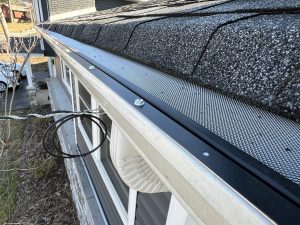
A lot of expensive exterior damage starts with something that looks minor from the ground. A small drip at a corner seam. A short section of gutter that sags after heavy rain. A downspout that spills a little too close to the foundation. Homeowners often notice these issues, make a mental note, and move on because the house still seems fine.
That is how small gutter problems turn into large repair bills.
Gutters do not need to be dramatic to be dangerous. They only need to fail often enough, or in the wrong place, to put water where it does not belong. Once that happens, the damage spreads outward and downward. Fascia boards soften. Paint blisters. Soil erodes. Basements take on moisture. Roof edges rot quietly. By the time the signs show up indoors, the original fix is rarely small anymore.
The tricky part is that gutters sit in an awkward category of home maintenance. They are visible, but not always easy to inspect. They seem simple, but they affect roofing, siding, trim, landscaping, and foundations at the same time. Good judgment matters here. Not every loose bracket means disaster, and not every stain on the siding means the whole system needs replacement. The skill is knowing when a basic Gutter Repair can stay basic, and when it has crossed into something more serious.
Why tiny defects matter more than they look
Water is patient. It does not need a wide opening or a catastrophic break. A gutter system handles a surprising amount of runoff during even an ordinary rain. On a moderate-sized roof, a storm can send hundreds of gallons toward the edges in a short period. If that water is not captured, carried, and discharged away from the house, it starts testing every weak point.
A pinhole leak in one section may not seem important in dry weather. During a hard rain, that same pinhole can act like a faucet over one exact spot. If it is above a wood-framed soffit or near a window casing, that repetitive wetting matters. Materials do not usually fail from one storm. They fail from repeated exposure, drying, and rewetting. That cycle is what turns a nuisance into rot.
I have seen homes where the owner focused on the obvious symptom, usually overflow during downpours, but missed the quiet damage happening in lighter rain. The gutter looked like it could mostly handle the load, so the problem felt occasional. Meanwhile, a seam near the corner had been dripping onto the trim for months. The trim looked slightly discolored, nothing alarming. When the repair crew opened it up, the wood behind the paint was soft enough to push in with a screwdriver.
That is the pattern to watch for. If water is landing in the wrong place consistently, even at a low volume, the house is already paying the price.
The difference between cosmetic wear and functional failure
Not every flaw needs urgent intervention. Gutters age. Paint fades. Aluminum can oxidize. Fasteners can show surface rust without the system being compromised. The challenge is separating appearance from performance.
A purely cosmetic issue changes how the gutter looks but not how it handles water. Functional failure changes water movement, attachment strength, or drainage direction. The second category deserves attention much faster.
A dent in a front-facing gutter may be harmless if the slope is intact and the trough still carries water to the downspout. A tiny patch of peeling paint on wood trim under the gutter may be an old issue that was already corrected. On the other hand, a gutter that pulls away from the fascia by even half an inch can be a warning sign. That gap means water can run behind the gutter instead of into it. If that happens repeatedly, the fascia board itself may be deteriorating, which makes every hanger weaker.
This is one reason experienced contractors look beyond the gutter metal. The system is only as sound as the structure holding it. If fasteners are backing out, the right question is not just, “Can we tighten them?” It is, “What are they biting into?”
Warning signs that usually mean the problem is growing
Some symptoms almost always suggest that a small Gutter Repair has been neglected long enough to start affecting nearby materials. These are the ones that deserve a closer look sooner rather than later.
- Water marks or dark streaks on fascia, soffits, or siding directly below the gutter line
- Gutters pulling away from the house, especially near seams or downspouts
- Overflow that happens in moderate rain, not just during extreme storms
- Soil erosion, mulch displacement, or trenching below roof edges
- Peeling paint, soft wood, or mildew near the roofline
Each of these points tells a different story. Staining usually indicates repeated overflow or backflow. Separation from the house often points to loose hangers, excess debris weight, or rotten backing wood. Erosion below the eaves means runoff is missing the downspout system entirely, at least some of the time. None of these signs guarantee structural damage, but they raise the odds enough that a casual patch job may no longer be the whole answer.
One detail many homeowners overlook is whether the issue shows up in one weather pattern or all of them. If a gutter overflows only during rare cloudbursts, capacity or clogging may be the main issue. If it leaks in light, steady rain, the trouble is usually more specific, such as poor slope, a failed seam, or water slipping behind the back edge.
When the fascia is part of the problem
This is where many “small” repairs stop being small.
Gutters are attached to fascia boards or rafter tails, depending on the house and installation style. When those materials stay dry, they can support the system for years. When they stay damp, they weaken. Once that happens, simply resealing a seam or adding a new screw does not address the real failure.
A common example is the recurring loose spike or screw. Someone drives it back in, and the gutter feels secure for a month or two. Then it loosens again. That often means the wood substrate is deteriorated. The fastener is no longer gripping solid material. If you ignore that cycle, the gutter can eventually detach under the weight of debris, standing water, or ice.
You can sometimes spot this from the ground. Look for waviness in the gutter line, cracked paint on the fascia, or a gap where the gutter no longer sits snug against the board. Up close, https://eduardorbsc870.pinehavenscope.com/posts/understanding-the-most-common-gutter-repair-services the signs become clearer: darkened wood grain, softness around fastener holes, or splitting near joints.
This matters because fascia replacement changes the scope of the job. What started as a minor Gutter Repair can shift into carpentry, repainting, and possibly roof edge work if the underlayment or drip edge has been compromised. That is the moment when putting off the repair gets expensive fast.
The role of clogs, and why clearing them is not always enough
Clogging is the most familiar gutter problem, and it is easy to treat it as a maintenance issue only. Sometimes it is. A gutter full of leaves may simply need cleaning and better seasonal upkeep. But clogs can also mask or trigger larger failures.
When gutters stay packed with debris, water stands in the trough longer than intended. That extra weight stresses hangers and fasteners. Seams stay wet. Organic matter holds moisture against metal and wood. In cold climates, trapped water expands during freeze-thaw cycles and opens up joints that were previously tight enough.
I have seen plenty of gutters that looked fine once cleaned, at least for a week. Then the homeowner noticed drips from multiple seams the next storm. The debris had been acting like a temporary dam, hiding small leaks and poor slope. Once the water moved normally again, the weak spots became obvious.
Downspouts deserve the same scrutiny. A partially blocked downspout can make an otherwise sound gutter overflow at the top. If the runoff then pours near the foundation, the issue has already moved beyond the gutter itself. You are now dealing with drainage around the house, which can affect basement humidity, crawl spaces, and settlement-prone soils.
Slope problems are subtle, but costly
A gutter does not need a dramatic tilt to work well. In fact, the pitch is often hard to notice by eye. But when the slope is wrong, small issues multiply.
Improper pitch causes water to pool in sections instead of flowing cleanly to the outlet. Standing water accelerates corrosion in steel systems, stresses seams in sectional gutters, and attracts more debris. During summer, that water can become a breeding ground for insects. During winter, it contributes to ice formation and extra weight.
What makes slope problems tricky is that homeowners usually notice the secondary symptoms first. They may see staining under one joint or hear drips long after the rain has stopped. They may assume a seam needs caulk, when the deeper problem is that the entire run is holding water.
This is especially common after piecemeal repairs. One hanger gets replaced, another gets tightened, and a section is nudged upward or downward without rechecking the run as a whole. The gutter may look more secure but perform worse.
If you regularly find pockets of standing water in a cleaned gutter, that is not a housekeeping issue. It is a drainage design or fastening issue, and it tends to get worse unless the line is reset properly.
How roof problems and gutter problems overlap
Sometimes the gutter is not the original culprit.
Missing or mispositioned drip edge flashing can let water run behind the gutter, even when the gutter itself is intact. Worn shingles at the roof edge can dump runoff unevenly. Valleys can send concentrated flows into sections of gutter that were never sized or reinforced for that volume. If someone recently replaced the roof and reused old gutters, alignment issues are not uncommon.
This overlap is why it helps to think in terms of water path, not product category. Water leaves the roof, enters the gutter, travels to the downspout, exits at grade, and moves away from the house. A failure anywhere in that chain can make the gutter look guilty.
An experienced eye can usually tell the difference. Water marks behind the gutter often suggest flashing or backflow issues. Overflow centered below a roof valley may indicate capacity or debris concentration rather than a random leak. Repeated ice buildup along the eaves may involve attic insulation and ventilation as much as gutter performance.
When a contractor proposes a simple sealant fix without checking the roof edge condition, that should raise questions. Sealant has its place, but it cannot correct a flawed water path.
The foundation is often where the real cost shows up
Homeowners understandably focus on what they can see up high, but the biggest long-term costs often appear down low. Poorly functioning gutters dump water next to the foundation, saturate planting beds, and wash out soil that was meant to support drainage away from the house.
On a slab home, that can mean moisture intrusion, cracked finishes, or movement in expansive soils. On a basement home, it can mean wall seepage, musty odors, and recurring dampness that gets blamed on the basement itself rather than the roof drainage above. In crawl spaces, it often shows up as higher humidity, mold on framing, or pest activity.
This is where timing matters. A loose elbow at the bottom of a downspout is an easy repair. A year of runoff discharged against one corner of the home is a different problem entirely. Once the grade is washed out or water starts finding its way through the foundation envelope, the cost moves far beyond Gutter Repair.
I once looked at a property where the owner had been fighting a damp finished basement for two seasons. They were pricing dehumidifiers, wall coatings, and interior drainage work. Outside, one downspout extension had disconnected and been mowing over in the grass for who knows how long. Every storm had been dropping roof runoff right next to the corner. Reconnecting the extension was cheap. Rebuilding the damaged drywall and trim inside was not.
Repairs that stay small, and repairs that usually do not
Some gutter issues are genuinely limited in scope. Others have a habit of uncovering more.
Small, contained repairs often include resealing a fresh seam failure, reattaching a single downspout section, replacing a damaged elbow, or clearing a localized clog before overflow has caused collateral damage. These jobs tend to stay manageable when the surrounding gutter sections are stable and the fascia is still sound.
Repairs that often grow involve repeated hanger failures, long runs with poor pitch, multiple leaking joints in an older sectional system, and any issue paired with wood rot or roof edge deterioration. Once several symptoms show up together, it is usually more efficient to inspect the whole run rather than fix one point at a time.
That does not always mean full replacement. But it often means the decision should be made based on system condition, not just the most visible defect. A homeowner can spend good money chasing leaks in an old, overstressed setup and still be dissatisfied after every storm.
A practical way to judge urgency
If you want a realistic sense of whether a gutter issue is still minor or becoming major, assess it through three lenses: frequency, location, and collateral damage. Frequency asks how often the symptom occurs. Location asks whether the water is near vulnerable parts of the house. Collateral damage asks what else is already affected.
Here is a useful rule of thumb. A problem that happens often, near wood trim or the foundation, and leaves visible evidence is no longer minor, even if the gutter defect itself looks small.
For a quick field check, pay attention to the following:
- Does the issue show up in ordinary rain, not only severe weather?
- Is water touching wood, siding joints, windows, doors, or the foundation?
- Are there signs of damage below the gutter line, such as staining, softness, mildew, or erosion?
- Has the same spot been “repaired” before?
- Does the gutter hold standing water after a storm has passed?
If you answer yes to more than one or two of those, the smart move is to inspect more broadly than the isolated symptom. At that point, the goal is not just to stop a drip. It is to verify that the entire drainage path still works.
When repair is the right choice, and when replacement is smarter
There is no universal threshold where every homeowner should stop repairing and start replacing. Material type, age, climate, tree cover, and house design all matter. Still, there are some patterns that tend to repeat.
If the gutters are relatively new, structurally sound, properly sized, and mostly free of corrosion or deformation, targeted repair usually makes sense. A failed seal, a detached downspout, or a damaged bracket can be corrected without much debate.
If the system is older, sectional rather than seamless, patched in multiple places, and showing recurring leaks or alignment issues, replacement often becomes the better value. This is especially true if repair work would involve substantial labor across several sections anyway. Paying repeatedly for service calls on a failing system can exceed the cost of replacing the worst runs with a better-designed layout.
One thing professionals learn quickly is that homeowners are rarely upset by paying for a solid fix. They are upset by paying for the same not-quite-fix three times.
The best time to act
The cheapest time to solve a gutter problem is usually right after you notice the first reliable sign that water is misbehaving. Not the first cosmetic blemish, and not the first storm that overwhelms every house on the block. The first repeatable sign that runoff is escaping the intended path.
That might be a downspout that always drips at the joint, a gutter corner that overflows in moderate rain, or mulch that keeps washing away in the same spot. Those are early warnings. If you address them then, the work often stays simple. If you wait until the fascia softens, paint fails, or interior moisture appears, the project expands.
Season matters too. Late summer and early fall are good times to inspect and repair before leaf load and winter weather add stress. Spring is another useful checkpoint because it reveals what freeze-thaw cycles and heavy runoff did over the colder months. Waiting until a storm is actively causing damage narrows your options and raises costs.
A good gutter system does not ask for much. It asks to stay clear, stay attached, keep its slope, and send water away from the house. When one of those basics slips, pay attention early. The visible defect may be small, but the path water takes from that point can make the difference between a quick Gutter Repair and a much larger problem hiding just below the roofline.
Just Gutters LLC
262 Main St
Hackettstown, NJ 07840, United States
Phone: +1 201-331-9454
FAQ About Gutter Repair
Is it cheaper to repair or replace gutters?
Repair can cost less when damage is limited and the remaining system is sound. Replacement may offer better value when leaks, corrosion, or repeated failures affect several sections. An inspection and written estimate can help compare the options.
Can damaged gutters be repaired?
Many localized problems, including leaking joints, loose brackets, sagging sections, and damaged downspout connections, can be repaired. The best approach depends on the material, extent of damage, and condition of the mounting surface.
Can I repair gutters myself?
Simple ground-level checks may help identify a problem, but roof-edge work carries fall risks and may require specialized tools. Professional assessment is advisable for high gutters, loose sections, hidden wood damage, or uncertain drainage problems.