Best Gutter Repair Hackettstown Services for Older Homes

Older homes in Hackettstown have a way of earning loyalty. They sit with a little more presence on the lot. Their trim profiles are deeper. Their rooflines are often more interesting than what you see on newer builds. Many were built with old-growth lumber, plaster walls, and details that are expensive to recreate now. That character is exactly why gutter work on these houses deserves more care than a quick patch and a ladder.
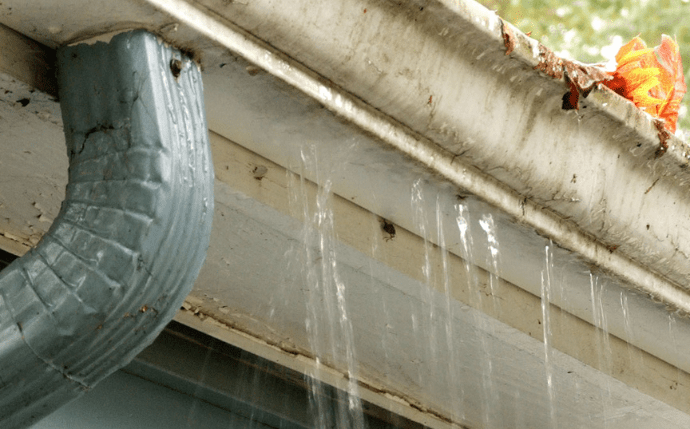
A failing gutter system does not stay a gutter problem for long. On an older home, water that escapes at the wrong point can soak fascia boards, stain masonry, undermine porch footings, loosen paint, and push moisture toward a foundation that may already have enough age-related issues. I have seen a small leak at a miter joint turn into rotted soffit, carpenter ant activity, and interior plaster cracks over the course of a few wet seasons. None of that started as a major roofing failure. It started with water going where it should not.
That is why homeowners searching for Gutter Repair Hackettstown services should not settle for the first crew willing to slap on sealant. Older homes need diagnosis before repair. They also need someone who understands that the gutter is tied to the roof edge, the fascia, the siding, the trim, the grading around the house, and sometimes the basement.
Why older homes are a different kind of gutter job
A newer suburban house with straight fascia boards and standard K-style aluminum gutters is usually predictable. An older home often is not. Roof lines can be irregular. Fascia may have been repaired in sections over the decades. Some houses have crown molding details at the eaves, shallow overhangs, or built-in gutters that were altered at some point. Even when the current system looks straightforward, the framing beneath it may not be.
One common issue is hidden wood rot. A gutter can remain attached even when the wood behind the fasteners has softened. The homeowner sees a section sagging and assumes it needs a new hanger. Once the crew removes that section, the real issue appears. The fascia may be spongy, split, or missing chunks near old nail penetrations. On homes that have gone through multiple paint cycles, damaged wood can stay concealed longer than expected.
Another issue is compatibility. Many older homes were fitted with replacement gutters years after the house was built. Those retrofits are not always ideal. I have seen oversized gutters feeding into undersized downspouts, half-round sections tied awkwardly into K-style runs, and discharge points aimed straight at walkways or stone foundations. A repair technician who only looks at the leaking seam misses the broader hydraulic problem.
Hackettstown weather adds its own pressure. The area gets real leaf load in the fall, snow events in winter, and freeze-thaw swings that punish weak joints and clogged runs. Ice can form at low spots, especially where pitch was never set properly. Once standing water freezes inside a gutter, it stresses hangers, joints, and the outer edge of the metal. On older homes, that stress often transfers to already tired trim.
The most common failures on older gutter systems
Not every gutter problem calls for replacement, but many older homes show patterns that experienced repair teams recognize quickly.
Loose or failing fasteners are near the top of the list. Older spike-and-ferrule systems tend to work loose over time, especially after seasons of snow and ice. You can resecure some sections, but if the fascia has decayed or the pitch is off, simply driving the spike back in is temporary at best.
Seam failure is another frequent culprit. Seamed gutters can last a long time when maintained, but expansion, debris buildup, and repeated freeze-thaw cycles eventually open tiny gaps. Those gaps often drip behind the gutter rather than over the front edge, which fools homeowners into thinking the roof is leaking.
Improper slope causes more trouble than people realize. A gutter can look straight from the ground and still hold water. In older homes, slight settling at one corner of the house or past repair work can flatten a run enough to create standing water. Mosquitoes love it in summer. Ice loves it in winter. Neither is good news.
Downspout placement matters too. If a beautiful older home has one short downspout dumping near the front foundation, the gutter system may be doing half its job and failing the other half. Repair work should consider where water ends up, not just whether the metal channel catches it.
Then there is overflow caused by roof design. Steeper roofs shed water fast. Slate and metal surfaces in particular can send a hard sheet of runoff into a gutter during heavy rain. If the gutter profile is too small, if the apron flashing is wrong, or if shingles overhang too far, water will jump the gutter even when the gutter itself is not clogged.
What good Gutter Repair Hackettstown work actually looks like
The best repair services start with inspection, not assumptions. That means checking the visible metal, the joints, the hangers, and the downspouts, but also pressing on suspect fascia areas, looking at the roof edge, and observing runoff patterns if possible. On older homes, even a ten-minute hose test can reveal a lot. Water tells the truth quickly.
A competent contractor should be able to explain whether the problem is local or systemic. A local issue might be a separated joint at one corner, a crushed downspout elbow, or a detached section after a storm. A systemic issue includes poor pitch across the run, widespread fascia rot, too few downspouts, or a gutter size that does not match the roof drainage load. The repair plan should fit that diagnosis.
Material matching also matters. If an older home has copper accents, historic trim, or half-round gutters that suit its architecture, replacing one damaged area with whatever is cheapest can hurt both appearance and performance. Aluminum is practical and common, but it is not always the right visual match. Copper is durable and attractive, though more expensive. Galvanized steel appears less often now than it used to, but some older homes still have it in place. Good repair work respects the building.
There is also a craftsmanship difference between a patch and a proper repair. A patch hides symptoms. A proper repair restores pitch, secures attachment points, seals joints correctly, addresses drainage, and checks for related damage nearby. On an older house, if one section failed, the next weak point is often not far away.
Signs your older home needs more than a simple gutter cleaning
Homeowners often call for cleaning when they really need repair. That is understandable. From the ground, many gutter issues look similar. Water spills over, stains show up, and the assumption is that leaves are blocking the run. Sometimes that is true. Sometimes the debris is just exposing a more serious defect.
Watch for water marks on the fascia or siding just below the gutter line. That often points to leakage from the back edge or from a joint. Peeling paint around the eaves is another strong clue, especially if it returns soon after repainting. If a downspout regularly overflows at the top during moderate rain, the blockage may be deeper in the vertical run or at the underground discharge.
You should also pay attention to the basement and the landscaping. Dampness along one wall, mulch trenches carved by runoff, or persistent puddling near one corner of the house can all trace back to a gutter failure. Older homes do not always have modern waterproofing or aggressive drainage systems. They rely more heavily on roof water being controlled at the source.
A visual wave in the gutter line is important too. Straight enough is not good enough. A section that dips between brackets or twists at a corner almost always needs more than cleaning. It needs re-hanging, reinforcement, or wood repair behind it.
Repair versus replacement, where the line usually falls
Homeowners naturally want to know whether repair is worthwhile or whether replacement makes more sense. The answer depends on age, material, extent of deterioration, and how many different problems are showing up at once.
If the gutters are structurally sound and the trouble is limited to a few seams, one downspout, or a short sagging section, repair is often the right move. If the metal is heavily pitted, multiple joints are failing, sections are pulling away across several elevations, and the fascia needs broad repair, replacement may be more cost-effective over time.
On older homes, there is another factor: preservation. Sometimes the existing system has architectural value. A classic half-round profile on brackets can look right in a way a standard replacement does not. In those cases, selective restoration is often worth the extra labor. It protects the look of the house and avoids introducing details that feel out of place.
There is no universal age cutoff, but once a system has had repeated repairs in multiple areas, it is smart to compare cumulative patch costs against a coordinated upgrade. I usually tell homeowners to think in terms of service life, maintenance burden, and collateral risk. A cheaper repair that still allows water to reach wood trim is not cheaper for long.
The hidden importance of fascia, soffit, and roof edge details
One of the biggest mistakes in gutter work is treating the system as isolated hardware. On an older home, the gutter hangs from wood that may have been exposed to decades of moisture. If that wood is not evaluated, the repair can fail early.
Fascia rot is often worst near corners, behind leaking seams, and at points where old fasteners have widened their holes. If a contractor skips fascia repair and simply installs new hidden hangers into compromised wood, the gutter may look fine for a season and then start loosening again. Good repair service means pulling back enough to see what is happening behind the metal.
Drip edge flashing is another overlooked detail. Some older homes either lack modern drip edge or have improvised edge flashing added later. Without proper flashing, water can curl behind the gutter and soak the fascia even if the gutter itself is intact. Homeowners then keep repairing paint and wood while the real problem remains above.
Roof overhang also plays a role. Shingles that extend too far can direct runoff poorly. Too short, and water can slip behind the gutter. Repairs at the gutter line should account for how the roof covering sheds water into the system. The best crews notice this immediately.
Seasonal pressure points in Hackettstown
Older homes in this part of New Jersey deal with four genuine seasons, and the gutter system feels every one of them.
Fall brings leaf accumulation, especially on properties with mature maples and oaks. Debris tends to pack tightly in valleys, outlets, and corners. By early winter, that wet mass can trap water in place.
Winter introduces snow load and ice formation. A poorly pitched gutter can hold enough water to freeze solid, stressing joints and pulling on fasteners. Ice dams are a related roof issue, but even without full dams, perimeter freezing can distort a marginal gutter line.
Spring tests capacity. You get heavier rain, wet debris that loosened over winter, and thaw-saturated soil around the foundation. If downspouts discharge too close to the house, this is when the consequences show up indoors.
Summer reveals long-term neglect. Vegetation starts growing out of clogged sections. Mosquitoes breed in standing water. Paint failures become obvious in dry light. By then, the problem often looks cosmetic, but the damage underneath may already be established.
What to ask before hiring a gutter repair company
For older homes, the interview matters almost as much as the estimate. You want someone who is comfortable with repair, not only replacement, and who understands the building materials common to older neighborhoods.
Ask these questions before you approve the work:
- Will you inspect the fascia and roof edge, not just the gutter itself?
- Can you match the existing profile and material if only part of the system needs repair?
- How will you correct pitch and test drainage before finishing the job?
- If you find rot or flashing problems, do you handle that in-house or coordinate with another trade?
- Can you show examples of repair work on older homes, not only full gutter replacements?
The answers tell you a lot. Vague language usually leads to vague workmanship. A solid contractor can explain methods plainly and point out trade-offs without overselling.
A practical example from an older home scenario
Picture a two-story colonial in Hackettstown with painted wood trim, a stone foundation, and thirty-year-old aluminum gutters added long after the house was built. The homeowner notices a wet basement corner after heavy spring rain. At first glance, the front left gutter looks clogged. A basic cleaning clears debris, but the problem returns.
A closer inspection finds three things. First, the gutter run has a low spot near the corner where water sits. Second, the rear seam of that section has been leaking onto the fascia for years, softening the wood. Third, the downspout discharges too close to the foundation because an old extension was removed and never replaced.
If you only clean the gutter, the basement still gets wet. If you only reseal the seam, the low spot still holds water. If you only https://edgarbkrb604.yousher.com/choosing-the-right-company-for-gutter-repair-in-hackettstown add a splash block, the rotten fascia still fails. The right repair involves resetting the pitch, replacing the damaged fascia area, rehanging the section with better support, resealing or replacing the affected gutter length, and extending the discharge farther from the house. That is the difference between symptom relief and actual correction.
Gutters guards, upgrades, and when they help
Older homeowners often ask whether guards solve everything. They do not. On some houses they reduce cleaning frequency. On others, especially under certain tree canopies or roof designs, they create their own maintenance issues.
Fine-mesh guards can work well where leaf volume is moderate and runoff patterns are predictable. Surface-tension styles are more hit or miss on steep roofs or during heavy downpours. Foam inserts tend to be a short-term answer and are rarely my first recommendation for older homes.
The key point is this: guards cannot compensate for bad pitch, failing fascia, undersized downspouts, or leaking seams. Install them on a flawed system and you simply make future inspection harder. If you are considering guards as part of Gutter Repair Hackettstown work, the system should be brought back to sound condition first.
Cost, value, and where homeowners should be cautious
Prices vary by access, material, height, extent of carpentry, and how much matching is required. A simple reseal and rehang on an accessible section costs far less than custom repair on a steep older roofline with wood restoration. That is normal.
What should raise concern is an estimate that skips details. If there is no mention of slope correction, fastening method, fascia condition, or water discharge, the proposal may be too superficial. Cheap gutter repair can be expensive if it lets water continue entering the building envelope.
Older homes reward careful spending. Paying for targeted carpentry and proper drainage is often a better investment than repeatedly paying for cosmetic fixes. Gutters do not need to be glamorous. They do need to work every time it rains.
The traits of the best gutter repair service for an older house
The best contractors combine restraint with thoroughness. They do not recommend wholesale replacement when a sound repair is possible, but they also do not pretend that sealant fixes structural problems. They pay attention to architecture. They understand drainage. They know when a gutter issue is really a wood issue or a flashing issue.
They also communicate well. Older homes come with surprises, and any honest repair professional knows that. What matters is whether they identify those surprises early, explain them clearly, and offer practical options. Homeowners do not need jargon. They need judgment.
That is especially true in a place like Hackettstown, where weather, trees, and age all put pressure on roof drainage systems. The right repair is not just about stopping drips. It is about protecting the envelope of the house, preserving original details where possible, and keeping small water problems from turning into major restoration bills.
If your home has sagging sections, repeat overflow, stained trim, basement dampness, or a gutter line that simply looks tired, now is the time to have it evaluated carefully. On an older house, prompt and thoughtful gutter work does more than improve curb appeal. It protects the parts of the property that are hardest, and most expensive, to replace.
Just Gutters LLC
Address: 262 Main St, Hackettstown, NJ 07840
Phone number: +12013319454
FAQ About Gutter Repair Hackettstown
What is the average cost to repair gutters?
The average cost to repair gutters is about $390, with most jobs ranging from $120 to $900 depending on the damage. You can explore detailed data and estimates on Angi.
Can I repair a gutter myself?
Yes, you can easily repair most common gutter problems yourself if you are comfortable working on a ladder.
How much does it cost to repair a leaking gutter?
The average cost to repair a leaking gutter ranges from $75 to $350. Most homeowners spend around $150 to $250 to hire a professional to patch small holes or reseal leaking joints. If the damage is severe and requires replacing entire sections, the price can increase from $300 to $800.